4654, Portugal, Lisbon

Lisbon, Portugal’s charismatic capital, is a city of golden light, and timeless charm. Spread across seven slopes overlooking the broad Tagus River, it blends centuries of history with a lively modern energy. Its neighborhoods each carry a distinct personality: the steep, cobbled streets of Alfama echo with the sound of Fado; Baixa offers grand squares and elegant, post-earthquake architecture; Belém showcases Portugal’s Age of Discovery through its iconic monuments.

4352, Portugal, Cabo da Roca

Cabo da Roca, located west of Lisbon in the Sintra region, is the westernmost point of mainland Europe, where steep cliffs plunge dramatically into the Atlantic Ocean. Marked by a lighthouse and a stone monument, the site offers sweeping views of rugged coastline, crashing waves, and windswept landscapes.

4351, Portugal, Cabo da Roca

Cabo da Roca Lighthouse stands dramatically on the westernmost point of mainland Europe, 140 meters above the Atlantic Ocean. First lit in 1772, it is one of Portugal’s oldest lighthouses and played a crucial role in guiding ships along the rugged coastline between Cascais and Ericeira. The current structure, with its distinctive red lantern tower rising from a square stone building, dates largely from 1840s improvements.

4428, Portugal, Colares, Sintra

The coastline of Colares, in the municipality of Sintra, is one of the most beautiful and dramatic in Portugal—where the forested slopes of the Serra de Sintra meet the powerful Atlantic Ocean. The beaches here are known for golden sand, strong waves, and a blend of natural beauty and traditional seaside culture.

4441, Portugal, Costa da Caparic

Costa da Caparica is a long, vibrant stretch of coastline just south of Lisbon, known for its endless sandy beaches, relaxed surf culture, and lively summer atmosphere. It forms one of the largest continuous beaches in Europe, extending for more than 15 km along the Atlantic.

4622, Portugal, Lisbon, Monastery of Sao Vicentre de Fora

Positioned on one of Lisbon’s highest hills in the Alfama district, the Monastery of São Vicente de Fora is one of Portugal’s most important and elegant monastic complexes. Its white Renaissance-Mannerist façade rises above the city, and its twin bell towers are among Lisbon’s most recognizable landmarks.

4624, Portugal, Lisbon, Campo Pequeno Bullring

The Campo Pequeno Bullring is one of Lisbon’s most striking landmarks—an impressive Neo-Moorish arena built in 1892 with red-brick walls, horseshoe arches, and four elegant domed towers. Inspired by North African and Mudéjar architecture, it stands out vividly in the modern Avenidas Novas district.

Originally designed for bullfighting, the building has been transformed into a multifunctional cultural venue. Today it hosts concerts, exhibitions, festivals, and special events.

4628, Portugal, Lisbon, The Triumphal Arch of Praca do Comercio

The Triumphal Arch of Praça do Comércio is one of Lisbon’s most iconic monuments, rising above the grand waterfront square that opens onto the Tagus River. Built to celebrate Lisbon’s rebirth after the 1755 earthquake, the arch serves as a monumental gateway from the riverfront into the elegant Rua Augusta and the Baixa district.

4630, Portugal, Lisbon, Equestrian Statue of King José I

At the center of Lisbon’s grand Praça do Comércio, the Equestrian Statue of King José I stands as one of Portugal’s most impressive public monuments. Unveiled in 1775, it honors the king who ruled during the devastating 1755 earthquake and the subsequent rebuilding of the city.

4634, Portugal, Lisbon, Monastery of Sao Vicentre de Fora

The Monastery of São Vicente de Fora is one of Lisbon’s most impressive religious landmarks, standing proudly on a hill overlooking the Alfama district. Founded in the late 16th century by King Philip II of Spain (Philip I of Portugal), it was built to honor Saint Vincent, the city’s patron saint, and to replace an older monastery that once stood “de fora” — outside the medieval city walls.

4636, Portugal, Lisbon, Christ the King statue

The Christ the King statue in Lisbon is one of Portugal’s most iconic landmarks, rising dramatically above the southern bank of the Tagus River. Inspired by Brazil’s Christ the Redeemer, the monument was inaugurated in 1959 as a symbol of gratitude for Portugal’s safety during World War II.

4643, Portugal, Lisbon, Aguas Livres Aqueduct

The Águas Livres Aqueduct in Lisbon is an impressive 18th-century engineering masterpiece built to supply the city with fresh water. Stretching more than 18 kilometers, it is best known for its dramatic series of tall pointed arches crossing the Alcântara Valley, some reaching over 65 meters high.

4639, Portugal, Lisbon, Church of Santa Maria de Belém

The Church of Santa Maria de Belém, located within the Jerónimos Monastery in Lisbon, is one of Portugal’s most beautiful and historically significant churches. Built in the early 16th century during the height of the Age of Discovery, it showcases the dazzling Manueline style—a uniquely Portuguese blend of late Gothic architecture enriched with maritime symbols, intricate stonework, and royal emblems.

4645, Portugal, Lisbon, Church of Santa Maria, Jeronimos Monastery

Framed by a richly sculpted portal, the entrance rises like a carved limestone façade, filled with ornate motifs inspired by the sea, a nod to Portugal’s Age of Discovery. Twisting ropes, coral-like patterns, armillary spheres, and royal emblems surround the arch, creating a sense of movement and grandeur.

4644, Portugal, Lisbon, Church of Santa Maria, Jeronimos Monastery

The main dome of the Church of Santa Maria, part of the Jerónimos Monastery, is a striking example of Portugal’s artistic brilliance during the Manueline era. Rising elegantly above the church’s exterior, the dome blends Gothic inspiration with the ornate, maritime-themed decoration that defines the style.

4656, Portugal, Lisbon, Monument to the Discoveries

The Monument to the Discoveries rising along the waterfront of Belém, is one of Lisbon’s most striking tributes to Portugal’s Age of Exploration. Shaped like the prow of a ship ready to set sail, the towering structure honors the navigators, explorers, and visionaries who played pivotal roles in the country’s maritime expansion during the 15th and 16th centuries.

4661, Portugal, Lisbon, Monument to the Discoveries

At the forefront stands Prince Henry the Navigator, holding a model of a caravel and leading the procession of finely carved figures along the monument’s sweeping sides.

4659, Portugal, Lisbon Castelo de São Jorge

Castelo de São Jorge, perched high on one of Lisbon’s steepest hills, is a commanding fortress that has watched over the city for more than a millennium. Its sturdy stone walls and fortified towers offer a vivid glimpse into Lisbon’s turbulent past, from its origins as a Moorish stronghold to its transformation into a royal residence after the Christian reconquest in the 12th century.

4665, Portugal, Lisbon, Portuguese Parliament, Sao Bento Palace

São Bento Palace is a grand neoclassical landmark in the heart of Lisbon, serving as the seat of Portugal’s Parliament. Originally built in the 16th century as a Benedictine monastery, the complex was transformed following the dissolution of religious orders in the 19th century and gradually evolved into the political center it is today.

4666, Portugal, Lisbon, Marquis of Pombal Square

Marquês de Pombal Square is one of Lisbon’s most important and dynamic urban landmarks. At the center of the square stands a towering monument dedicated to Sebastião José de Carvalho e Melo, the Marquis of Pombal—the powerful 18th-century statesman who rebuilt Lisbon after the devastating 1755 earthquake.

4857, Portugal, Mafra, Mafra National Palace

The Mafra National Palace is one of Portugal’s most magnificent architectural achievements—a vast royal complex that rises above the town of Mafra with striking grandeur. Built in the 18th century under King João V, the palace reflects the immense wealth Portugal enjoyed during the Brazilian gold boom and stands today as a masterpiece of Baroque opulence and monumental scale.

4860, Portugal, Mafra, Mafra National Palace

Immense, intricate, and awe-inspiring, the Mafra National Palace stands as a testament to Portugal’s royal ambition and artistic brilliance—an unforgettable landmark steeped in history and grandeur.
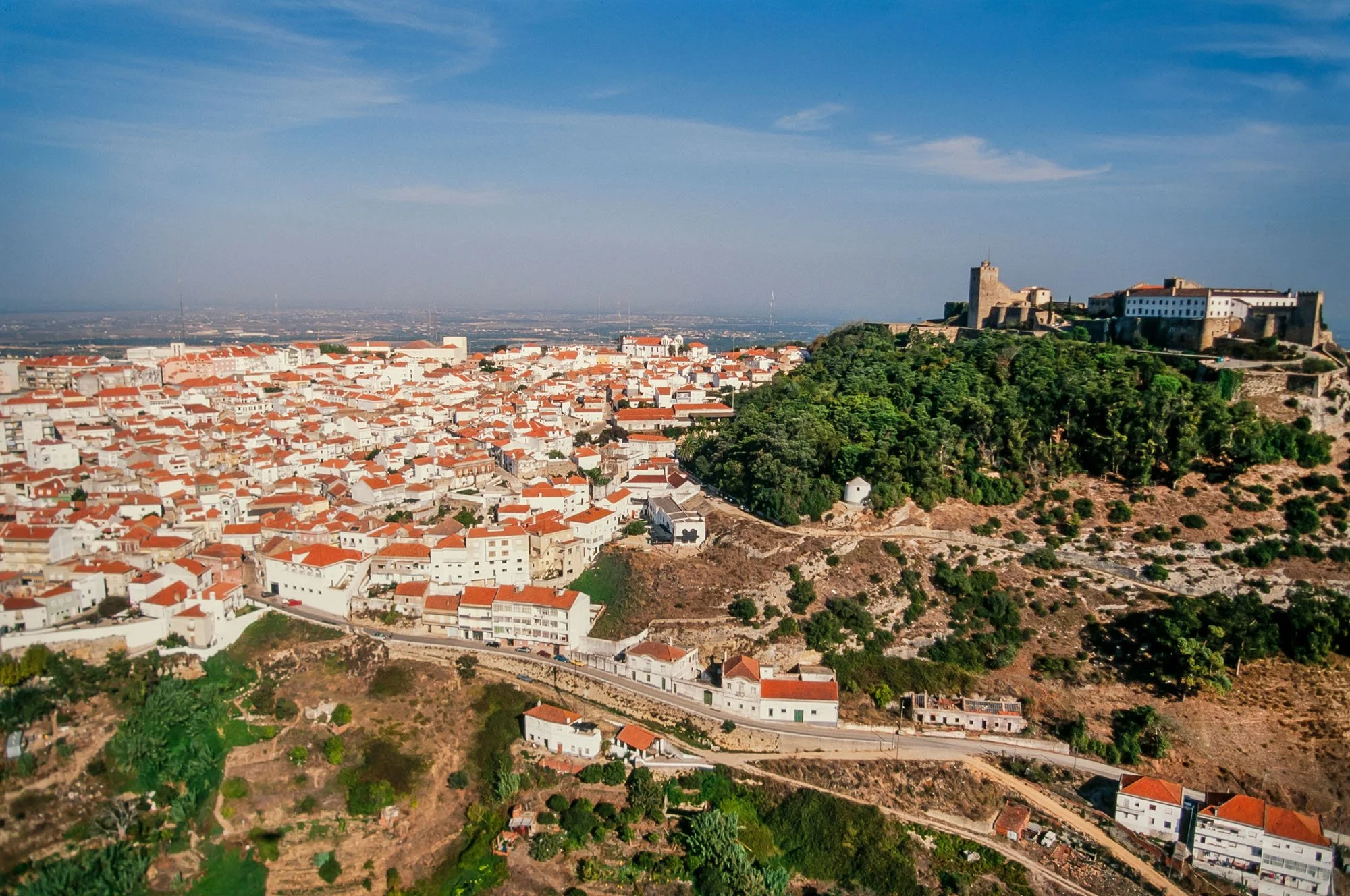
4924, Portugal, Palmela

Palmela is a charming hilltop town in the Setúbal region, known for its sweeping landscapes, rich history, and proud winemaking traditions. Dominated by the Castle of Palmela, which crowns the highest point for miles, Palmela offers breathtaking views over rolling vineyards, the Arrábida mountain range, and even the distant shimmer of the Atlantic.

4923, Portugal, Palmela, The Castle of Palmela

The Castle of Palmela rises proudly above the town, perched on a rugged hilltop that commands one of the most spectacular viewpoints in central Portugal. With origins dating back to Roman times and later fortified by the Moors, the castle became a key stronghold during the Christian reconquest, eventually serving as headquarters of the Order of Santiago.

4986, Portugal, Portinho da Arrabida

Portinho da Arrábida is a sheltered coastal jewel nestled between the turquoise waters of the Atlantic and the dramatic slopes of the Arrábida Natural Park. Often described as one of Portugal’s most beautiful beaches, it captivates visitors with its calm, crystal-clear sea, soft white sand, and the lush green cliffs that embrace the bay.

5066, Portugal, Sado Estuary Nature Reserve

The Sado Estuary Nature Reserve is one of Portugal’s most captivating natural sanctuaries, where river, sea, and land merge to create a vibrant mosaic of landscapes and wildlife. Stretching across marshes, sandbanks, rice fields, and calm tidal waters, the reserve is a haven for biodiversity and a peaceful escape into the rhythms of nature.

5089, Portugal, Salt Flats, Sado

The Sado Salt Flats are shallow, man-made ponds used for traditional sea-salt production, located in the Sado Estuary, about 35–45 minutes from Lisbon.
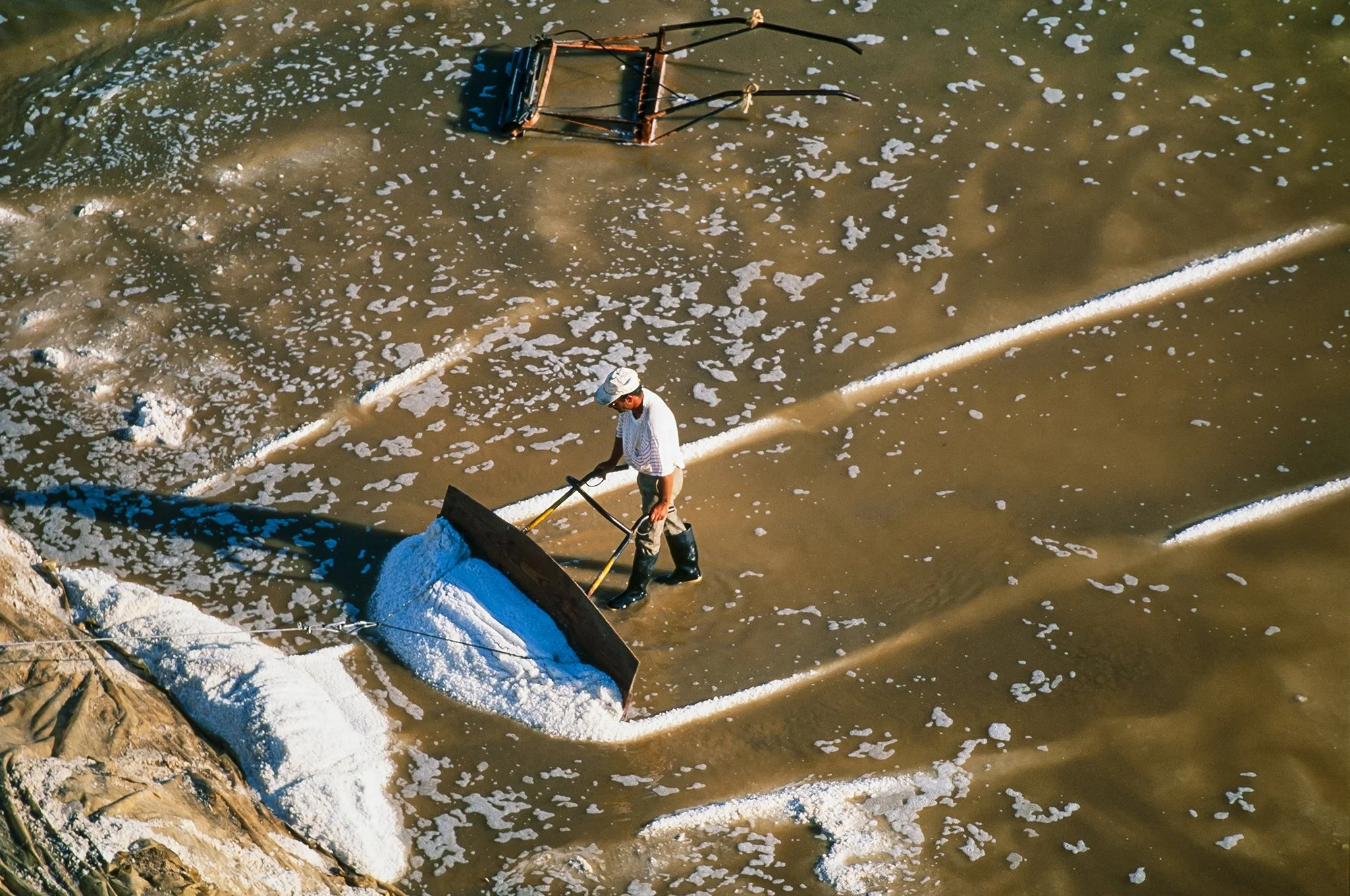
5096, Portugal, Salt Flats, Sado

Salt from the Sado Salt Flats is harvested using a traditional, centuries-old method that relies almost entirely on sun, wind, and skilled manual work.

5149, Portugal, Sesimbra Castle

Rising high above the seaside town of Sesimbra, Sesimbra Castle is one of Portugal’s best-preserved medieval fortresses. Built on a rugged hilltop overlooking the Serra da Arrábida and the deep-blue waters of the Setúbal Bay, the castle offers both historical significance and unforgettable scenery.

Originally founded by the Moors in the 9th century, the castle was later captured by Christian forces during the Reconquista. Its robust defensive walls, battlements, and watchtowers reflect its strategic importance in guarding the coastline from pirate raids and protecting the surrounding settlements.

5161, Portugal, Sintra, Pena National Palace

Perched dramatically atop the lush hills of Sintra, the Pena National Palace is one of Portugal’s most iconic and enchanting landmarks—a fairytale castle that seems to rise straight out of a dream.

5162, Portugal, Sintra, Pena National Palace

Its vibrant colors, whimsical architecture, and sweeping mountain views have made it a symbol of the Romantic era and a UNESCO World Heritage treasure.

5168, Portugal, Sintra, Pena National Palace

Commissioned in the 19th century by King Ferdinand II, the palace blends an imaginative mix of architectural styles: Moorish arches, Manueline details, medieval towers, and vividly painted terraces in shades of yellow, red, and blue. This eclectic design reflects the Romantic fascination with fantasy, exoticism, and nature.

5171, Portugal, Sintra, Pena National Palace

The twin yellow-domed towers are among its most striking and recognizable features. Their bright, sunlit color—set against the deep greens of the surrounding Pena Park—creates a dramatic contrast that captures the playful spirit of Romantic architecture.

These rounded domes, inspired by Moorish design, rest atop elegant cylindrical towers adorned with delicate arches and intricate detailing. Their exotic shape reflects the 19th-century fascination with blending styles from different cultures, a hallmark of King Ferdinand II’s imaginative vision for the palace.

5271, Portugal, Queluz, Queluz National Palace

The Queluz National Palace, located just outside Lisbon in the town of Queluz, is one of Portugal’s most exquisite examples of 18th-century architecture—a lavish royal residence often compared to a “miniature Versailles.” Built as a summer retreat for the Portuguese monarchy, the palace shines with elegance, symmetry, and theatrical flair.

5270, Portugal, Queluz, Queluz National Palace

Surrounding the palace are the Queluz Gardens, a masterpiece of formal landscaping. Manicured hedges, ornamental ponds, tiled fountains, and mythological statues create an atmosphere of refined beauty.

4654, Portugal, Lisbon
4352, Portugal, Cabo da Roca
4351, Portugal, Cabo da Roca
4428, Portugal, Colares, Sintra
4441, Portugal, Costa da Caparic
4622, Portugal, Lisbon, Monastery of Sao Vicentre de Fora
4624, Portugal, Lisbon, Campo Pequeno Bullring
4628, Portugal, Lisbon, The Triumphal Arch of Praca do Comercio
4630, Portugal, Lisbon, Equestrian Statue of King José I
4634, Portugal, Lisbon, Monastery of Sao Vicentre de Fora
4636, Portugal, Lisbon, Christ the King statue
4643, Portugal, Lisbon, Aguas Livres Aqueduct
4639, Portugal, Lisbon, Church of Santa Maria de Belém
4645, Portugal, Lisbon, Church of Santa Maria, Jeronimos Monastery
4644, Portugal, Lisbon, Church of Santa Maria, Jeronimos Monastery
4656, Portugal, Lisbon, Monument to the Discoveries
4661, Portugal, Lisbon, Monument to the Discoveries
4659, Portugal, Lisbon Castelo de São Jorge
4665, Portugal, Lisbon, Portuguese Parliament, Sao Bento Palace
4666, Portugal, Lisbon, Marquis of Pombal Square
4857, Portugal, Mafra, Mafra National Palace
4860, Portugal, Mafra, Mafra National Palace
4924, Portugal, Palmela
4923, Portugal, Palmela, The Castle of Palmela
4986, Portugal, Portinho da Arrabida
5066, Portugal, Sado Estuary Nature Reserve
5089, Portugal, Salt Flats, Sado
5096, Portugal, Salt Flats, Sado
5149, Portugal, Sesimbra Castle
5161, Portugal, Sintra, Pena National Palace
5162, Portugal, Sintra, Pena National Palace
5168, Portugal, Sintra, Pena National Palace
5171, Portugal, Sintra, Pena National Palace
5271, Portugal, Queluz, Queluz National Palace
5270, Portugal, Queluz, Queluz National Palace
4654, Portugal, Lisbon

Lisbon, Portugal’s charismatic capital, is a city of golden light, and timeless charm. Spread across seven slopes overlooking the broad Tagus River, it blends centuries of history with a lively modern energy. Its neighborhoods each carry a distinct personality: the steep, cobbled streets of Alfama echo with the sound of Fado; Baixa offers grand squares and elegant, post-earthquake architecture; Belém showcases Portugal’s Age of Discovery through its iconic monuments.

4352, Portugal, Cabo da Roca

Cabo da Roca, located west of Lisbon in the Sintra region, is the westernmost point of mainland Europe, where steep cliffs plunge dramatically into the Atlantic Ocean. Marked by a lighthouse and a stone monument, the site offers sweeping views of rugged coastline, crashing waves, and windswept landscapes.

4351, Portugal, Cabo da Roca

Cabo da Roca Lighthouse stands dramatically on the westernmost point of mainland Europe, 140 meters above the Atlantic Ocean. First lit in 1772, it is one of Portugal’s oldest lighthouses and played a crucial role in guiding ships along the rugged coastline between Cascais and Ericeira. The current structure, with its distinctive red lantern tower rising from a square stone building, dates largely from 1840s improvements.

4428, Portugal, Colares, Sintra

The coastline of Colares, in the municipality of Sintra, is one of the most beautiful and dramatic in Portugal—where the forested slopes of the Serra de Sintra meet the powerful Atlantic Ocean. The beaches here are known for golden sand, strong waves, and a blend of natural beauty and traditional seaside culture.

4441, Portugal, Costa da Caparic

Costa da Caparica is a long, vibrant stretch of coastline just south of Lisbon, known for its endless sandy beaches, relaxed surf culture, and lively summer atmosphere. It forms one of the largest continuous beaches in Europe, extending for more than 15 km along the Atlantic.

4622, Portugal, Lisbon, Monastery of Sao Vicentre de Fora

Positioned on one of Lisbon’s highest hills in the Alfama district, the Monastery of São Vicente de Fora is one of Portugal’s most important and elegant monastic complexes. Its white Renaissance-Mannerist façade rises above the city, and its twin bell towers are among Lisbon’s most recognizable landmarks.

4624, Portugal, Lisbon, Campo Pequeno Bullring

The Campo Pequeno Bullring is one of Lisbon’s most striking landmarks—an impressive Neo-Moorish arena built in 1892 with red-brick walls, horseshoe arches, and four elegant domed towers. Inspired by North African and Mudéjar architecture, it stands out vividly in the modern Avenidas Novas district.

Originally designed for bullfighting, the building has been transformed into a multifunctional cultural venue. Today it hosts concerts, exhibitions, festivals, and special events.

4628, Portugal, Lisbon, The Triumphal Arch of Praca do Comercio

The Triumphal Arch of Praça do Comércio is one of Lisbon’s most iconic monuments, rising above the grand waterfront square that opens onto the Tagus River. Built to celebrate Lisbon’s rebirth after the 1755 earthquake, the arch serves as a monumental gateway from the riverfront into the elegant Rua Augusta and the Baixa district.

4630, Portugal, Lisbon, Equestrian Statue of King José I

At the center of Lisbon’s grand Praça do Comércio, the Equestrian Statue of King José I stands as one of Portugal’s most impressive public monuments. Unveiled in 1775, it honors the king who ruled during the devastating 1755 earthquake and the subsequent rebuilding of the city.

4634, Portugal, Lisbon, Monastery of Sao Vicentre de Fora

The Monastery of São Vicente de Fora is one of Lisbon’s most impressive religious landmarks, standing proudly on a hill overlooking the Alfama district. Founded in the late 16th century by King Philip II of Spain (Philip I of Portugal), it was built to honor Saint Vincent, the city’s patron saint, and to replace an older monastery that once stood “de fora” — outside the medieval city walls.

4636, Portugal, Lisbon, Christ the King statue

The Christ the King statue in Lisbon is one of Portugal’s most iconic landmarks, rising dramatically above the southern bank of the Tagus River. Inspired by Brazil’s Christ the Redeemer, the monument was inaugurated in 1959 as a symbol of gratitude for Portugal’s safety during World War II.

4643, Portugal, Lisbon, Aguas Livres Aqueduct

The Águas Livres Aqueduct in Lisbon is an impressive 18th-century engineering masterpiece built to supply the city with fresh water. Stretching more than 18 kilometers, it is best known for its dramatic series of tall pointed arches crossing the Alcântara Valley, some reaching over 65 meters high.

4639, Portugal, Lisbon, Church of Santa Maria de Belém

The Church of Santa Maria de Belém, located within the Jerónimos Monastery in Lisbon, is one of Portugal’s most beautiful and historically significant churches. Built in the early 16th century during the height of the Age of Discovery, it showcases the dazzling Manueline style—a uniquely Portuguese blend of late Gothic architecture enriched with maritime symbols, intricate stonework, and royal emblems.

4645, Portugal, Lisbon, Church of Santa Maria, Jeronimos Monastery

Framed by a richly sculpted portal, the entrance rises like a carved limestone façade, filled with ornate motifs inspired by the sea, a nod to Portugal’s Age of Discovery. Twisting ropes, coral-like patterns, armillary spheres, and royal emblems surround the arch, creating a sense of movement and grandeur.

4644, Portugal, Lisbon, Church of Santa Maria, Jeronimos Monastery

The main dome of the Church of Santa Maria, part of the Jerónimos Monastery, is a striking example of Portugal’s artistic brilliance during the Manueline era. Rising elegantly above the church’s exterior, the dome blends Gothic inspiration with the ornate, maritime-themed decoration that defines the style.

4656, Portugal, Lisbon, Monument to the Discoveries

The Monument to the Discoveries rising along the waterfront of Belém, is one of Lisbon’s most striking tributes to Portugal’s Age of Exploration. Shaped like the prow of a ship ready to set sail, the towering structure honors the navigators, explorers, and visionaries who played pivotal roles in the country’s maritime expansion during the 15th and 16th centuries.

4661, Portugal, Lisbon, Monument to the Discoveries

At the forefront stands Prince Henry the Navigator, holding a model of a caravel and leading the procession of finely carved figures along the monument’s sweeping sides.

4659, Portugal, Lisbon Castelo de São Jorge

Castelo de São Jorge, perched high on one of Lisbon’s steepest hills, is a commanding fortress that has watched over the city for more than a millennium. Its sturdy stone walls and fortified towers offer a vivid glimpse into Lisbon’s turbulent past, from its origins as a Moorish stronghold to its transformation into a royal residence after the Christian reconquest in the 12th century.

4665, Portugal, Lisbon, Portuguese Parliament, Sao Bento Palace

São Bento Palace is a grand neoclassical landmark in the heart of Lisbon, serving as the seat of Portugal’s Parliament. Originally built in the 16th century as a Benedictine monastery, the complex was transformed following the dissolution of religious orders in the 19th century and gradually evolved into the political center it is today.

4666, Portugal, Lisbon, Marquis of Pombal Square

Marquês de Pombal Square is one of Lisbon’s most important and dynamic urban landmarks. At the center of the square stands a towering monument dedicated to Sebastião José de Carvalho e Melo, the Marquis of Pombal—the powerful 18th-century statesman who rebuilt Lisbon after the devastating 1755 earthquake.

4857, Portugal, Mafra, Mafra National Palace

The Mafra National Palace is one of Portugal’s most magnificent architectural achievements—a vast royal complex that rises above the town of Mafra with striking grandeur. Built in the 18th century under King João V, the palace reflects the immense wealth Portugal enjoyed during the Brazilian gold boom and stands today as a masterpiece of Baroque opulence and monumental scale.

4860, Portugal, Mafra, Mafra National Palace

Immense, intricate, and awe-inspiring, the Mafra National Palace stands as a testament to Portugal’s royal ambition and artistic brilliance—an unforgettable landmark steeped in history and grandeur.

4924, Portugal, Palmela

Palmela is a charming hilltop town in the Setúbal region, known for its sweeping landscapes, rich history, and proud winemaking traditions. Dominated by the Castle of Palmela, which crowns the highest point for miles, Palmela offers breathtaking views over rolling vineyards, the Arrábida mountain range, and even the distant shimmer of the Atlantic.

4923, Portugal, Palmela, The Castle of Palmela

The Castle of Palmela rises proudly above the town, perched on a rugged hilltop that commands one of the most spectacular viewpoints in central Portugal. With origins dating back to Roman times and later fortified by the Moors, the castle became a key stronghold during the Christian reconquest, eventually serving as headquarters of the Order of Santiago.

4986, Portugal, Portinho da Arrabida

Portinho da Arrábida is a sheltered coastal jewel nestled between the turquoise waters of the Atlantic and the dramatic slopes of the Arrábida Natural Park. Often described as one of Portugal’s most beautiful beaches, it captivates visitors with its calm, crystal-clear sea, soft white sand, and the lush green cliffs that embrace the bay.

5066, Portugal, Sado Estuary Nature Reserve

The Sado Estuary Nature Reserve is one of Portugal’s most captivating natural sanctuaries, where river, sea, and land merge to create a vibrant mosaic of landscapes and wildlife. Stretching across marshes, sandbanks, rice fields, and calm tidal waters, the reserve is a haven for biodiversity and a peaceful escape into the rhythms of nature.

5089, Portugal, Salt Flats, Sado

The Sado Salt Flats are shallow, man-made ponds used for traditional sea-salt production, located in the Sado Estuary, about 35–45 minutes from Lisbon.

5096, Portugal, Salt Flats, Sado

Salt from the Sado Salt Flats is harvested using a traditional, centuries-old method that relies almost entirely on sun, wind, and skilled manual work.

5149, Portugal, Sesimbra Castle

Rising high above the seaside town of Sesimbra, Sesimbra Castle is one of Portugal’s best-preserved medieval fortresses. Built on a rugged hilltop overlooking the Serra da Arrábida and the deep-blue waters of the Setúbal Bay, the castle offers both historical significance and unforgettable scenery.

Originally founded by the Moors in the 9th century, the castle was later captured by Christian forces during the Reconquista. Its robust defensive walls, battlements, and watchtowers reflect its strategic importance in guarding the coastline from pirate raids and protecting the surrounding settlements.

5161, Portugal, Sintra, Pena National Palace

Perched dramatically atop the lush hills of Sintra, the Pena National Palace is one of Portugal’s most iconic and enchanting landmarks—a fairytale castle that seems to rise straight out of a dream.

5162, Portugal, Sintra, Pena National Palace

Its vibrant colors, whimsical architecture, and sweeping mountain views have made it a symbol of the Romantic era and a UNESCO World Heritage treasure.

5168, Portugal, Sintra, Pena National Palace

Commissioned in the 19th century by King Ferdinand II, the palace blends an imaginative mix of architectural styles: Moorish arches, Manueline details, medieval towers, and vividly painted terraces in shades of yellow, red, and blue. This eclectic design reflects the Romantic fascination with fantasy, exoticism, and nature.

5171, Portugal, Sintra, Pena National Palace

The twin yellow-domed towers are among its most striking and recognizable features. Their bright, sunlit color—set against the deep greens of the surrounding Pena Park—creates a dramatic contrast that captures the playful spirit of Romantic architecture.

These rounded domes, inspired by Moorish design, rest atop elegant cylindrical towers adorned with delicate arches and intricate detailing. Their exotic shape reflects the 19th-century fascination with blending styles from different cultures, a hallmark of King Ferdinand II’s imaginative vision for the palace.

5271, Portugal, Queluz, Queluz National Palace

The Queluz National Palace, located just outside Lisbon in the town of Queluz, is one of Portugal’s most exquisite examples of 18th-century architecture—a lavish royal residence often compared to a “miniature Versailles.” Built as a summer retreat for the Portuguese monarchy, the palace shines with elegance, symmetry, and theatrical flair.

5270, Portugal, Queluz, Queluz National Palace

Surrounding the palace are the Queluz Gardens, a masterpiece of formal landscaping. Manicured hedges, ornamental ponds, tiled fountains, and mythological statues create an atmosphere of refined beauty.

show thumbnails